
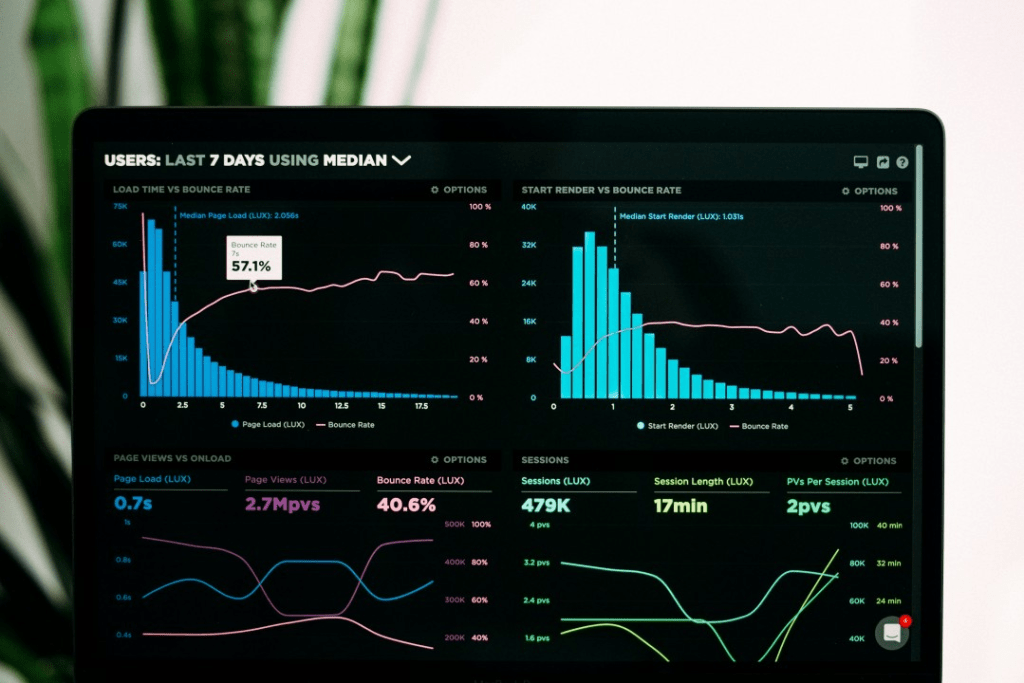
A financial institution, offering a wide range of financial services, needed a data warehouse (DW) to consolidate their various core systems, and create a “single version of truth” for reporting and decision-making across the organization. Solutech Innovation Limited met with the stakeholders to understand their vision for the platform. The roadmap for the data journey had four phases:
- Descriptive data – consolidating demographic details from the multiple systems, cleansing the data to ensure the most up-to-date and accurate information was always available for each customer.
- Behavioral data – consolidating transactions across the business lines to create a holistic understanding of the customer’s behavior patterns across the organization.
- Interaction data – bringing in interactive statistics, to add further understanding of how customers were engaging via the various communication channels.
- Attitudinal data – analyzing customer sentiments, opinions, and preferences.
Data Platform Setup
A preliminary assessment was conducted to understand all the core processes and major data sources involved. Samples were extracted and profiled to estimate size and capacity specifications for the data platform that would support the data warehouse. The necessary servers and software were procured and installed in the data center.
Data Modeling
Subject Matter Experts were engaged from the respective business units to map the business processes supported by these core systems. Data Stewards were engaged to understand the data generated and manipulated during these processes. Our expert Data Analysts created an enterprise data model – one consolidated, scalable representation of all data sources and data points – across the entire organization encompassing all core business units and processes. Business rules were established to standardize and transform system data fields into common business terminology across the enterprise. Data formats were standardized to ensure consistency irrespective of the source system and originating format.
Data Integration
The data models were translated to SQL table structures in the database. Microsoft SQL Server Integration Services (SSIS) was used to connect to the source systems to perform Extract-Transform-Load (ETL) functions bringing the data into the central data warehouse database. The jobs to bring the data into the DW were scheduled to run automatically, with audit processes in place to identify and flag any variances in data availability, completeness, or accuracy.
Managed Data Services
Solutech Innovation continues to monitor and optimize the data warehouse database and supporting processes, ensuring data availability and accuracy. This allows the institution’s full-time data analysts to focus on value-added activities such as analyzing the data and providing insights to the business units.
Benefits
The consolidated data warehouse has allowed this financial institution to support the information needs of the many business units. Previously, business analysts were deprived of access to the data they needed to understand the operations and make decisions, as the legacy core systems simply did not have the flexibility to provide access to data in easily manipulatable formats. Report preparation time was significantly reduced. Analysts now have access to more data sources and greater insights into their business performance, with the ability to seamlessly drill down and answer questions.
Do you need expert support for your organization’s data management and analytics journey? Do not delay, contact us today!


 Solutech Blog