

Have burning questions about data management, decision-making, or anything data-related? Our experts are here to help! We’ve gathered some of the most common questions we receive and provided answers to help you on your data journey.
Q1: How do I know if my company’s data is “good” enough for decision-making?
A: Great question! “Good” data is accurate, complete, relevant, timely, and consistent. Start by assessing your current data quality with checks for errors, duplicates, and missing values. Then, look for ways to improve data collection and maintenance processes.
Q2: I have a lot of data, but I’m not sure where to start. What are some initial steps I can take to make sense of it all?
A: Don’t feel overwhelmed! Here are a few steps to get you going:
- Define your goals: What are you hoping to learn from your data? Once you know your objectives, you can start to identify the specific data sets that are most relevant.
- Data profiling: Get a basic understanding of your data by profiling it. This involves analyzing things like data types, value ranges, and the presence of missing values.
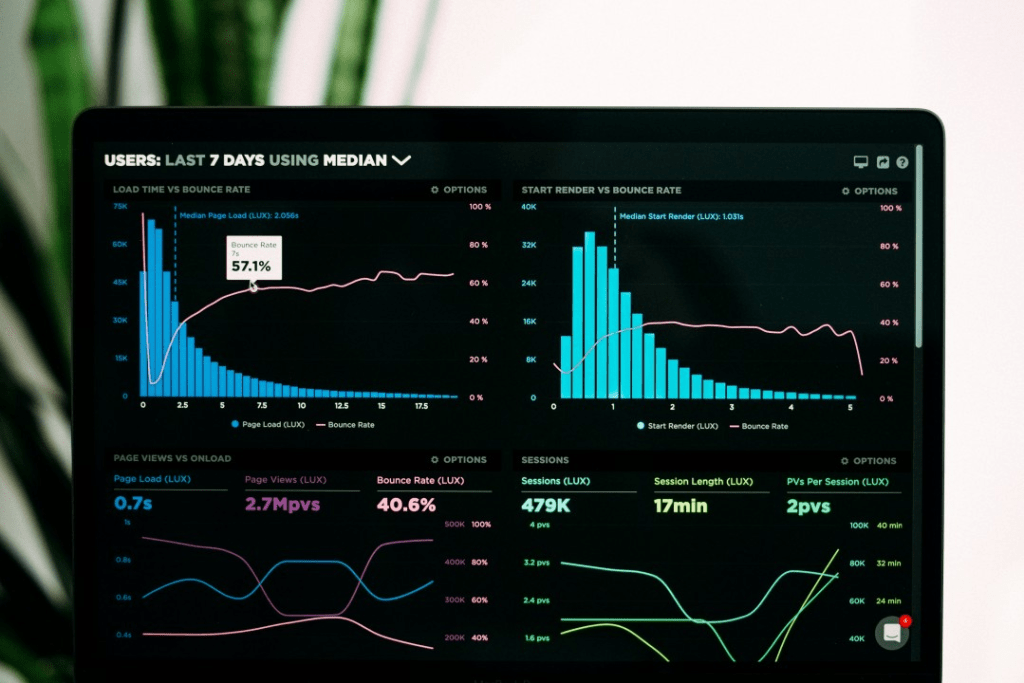
- Data visualization: Create charts and graphs to explore patterns and trends in your data. Visualizations can help you identify outliers, correlations, and other insights that might not be readily apparent from looking at raw data.
Q3: My team is resistant to using data. How can I change that?
A: Cultural change takes time! Start by demonstrating the value of data-driven decisions with concrete examples of how data has led to positive outcomes. Provide training and resources to help your team build their data skills and confidence.
Q4: What are the biggest risks associated with poor data quality?
A: Poor data quality can lead to a range of costly problems, including:
- Bad decisions: Inaccurate data can lead to decisions that hurt your business.
- Inefficiency: Time and resources are wasted trying to reconcile or fix bad data.
- Missed opportunities: You might miss out on valuable insights hidden in your data.
- Compliance issues: Poor data quality can lead to legal and regulatory problems.
- Damaged reputation: Customers and stakeholders may lose trust in your company if they know you’re working with unreliable data.
Have more questions? Don’t hesitate to reach out to us for a free consultation. We’re passionate about helping businesses harness the power of their data to drive growth and success.



 Solutech Blog